Grow your garden, glass by glass
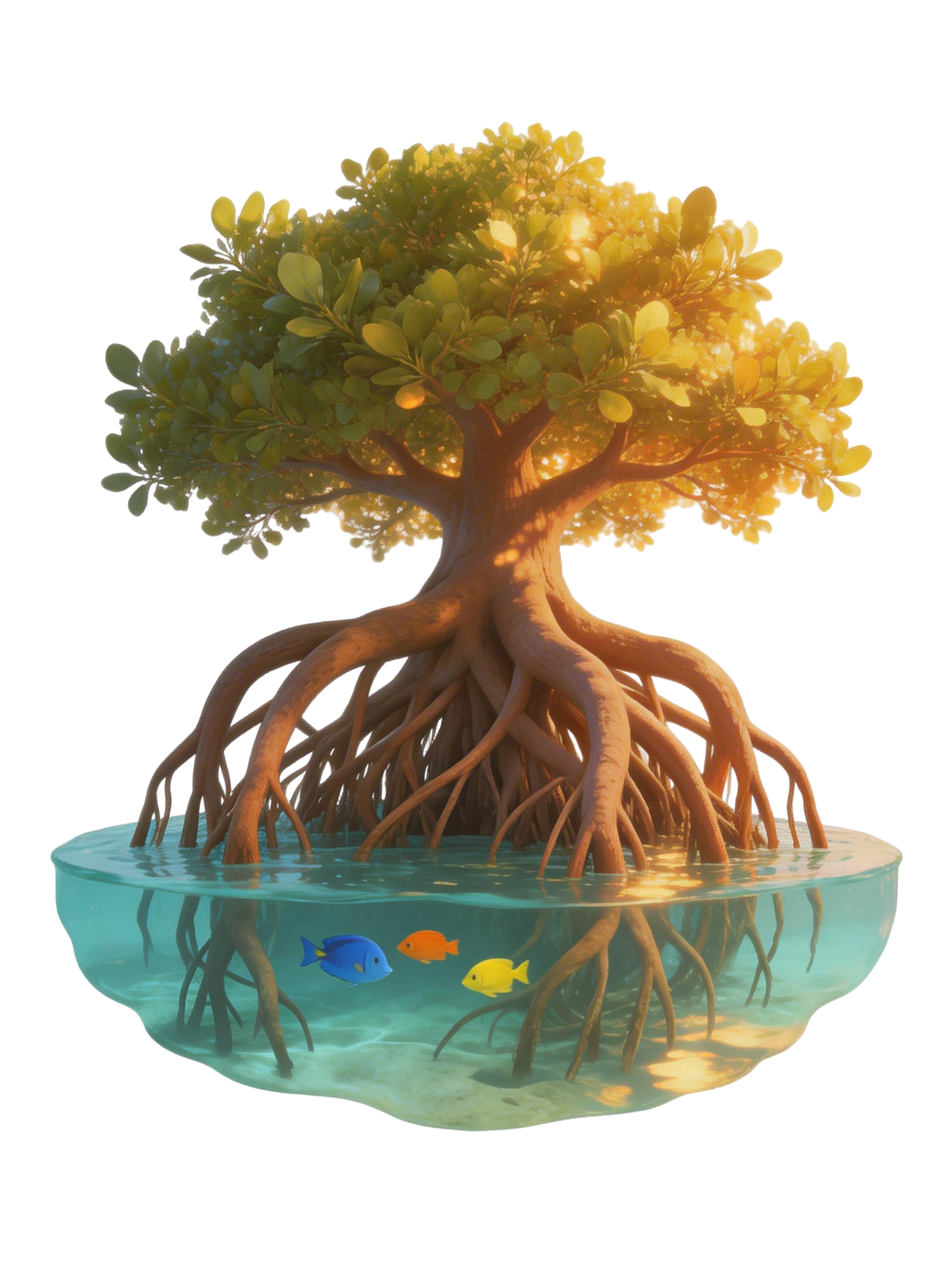
You just planted a mangrove, restoring coastal ecosystems in Kenya and Tanzania. Your 7-day streak made this happen.
See your tree 🌱
Crotaphytus collaris — Sonoran & Chihuahuan Desert
This feisty lizard is native to the rocky deserts of the southwestern United States and northern Mexico. Males flash a vivid turquoise-green body to attract mates and warn rivals. When threatened, it sprints on its hind legs — reaching up to 26 km/h. It shares your desert.

Jaculus jaculus — Sahara & Arabian Desert
The jerboa is a master of desert survival. It never needs to drink water — getting all its moisture from seeds and insects. Those oversized hind legs let it leap up to 3 metres in a single bound. Seven days in. You're built for this too.

Melanerpes uropygialis — Sonoran Desert
The Gila Woodpecker is a master architect of the Sonoran Desert. It carves nest cavities in giant saguaro cacti — which then get reused by elf owls and kestrels. Bold and curious, it turns its head to investigate anything that catches its eye. Three days strong. Keep going.

Geococcyx californianus — Sonoran & Chihuahuan Desert
Fast, clever, and perfectly adapted to dry country, the Greater Roadrunner darts through desert scrub in search of insects, lizards, and small snakes. From now on, you may spot it racing through your garden.

Desert hummingbird — blooming desert edge
A hummingbird's heart beats up to 1,200 times per minute. To survive the cold desert night, it drops its body temperature to near-freezing — a state called torpor — and slows its heartbeat to just 50 bpm. Every morning it reboots from scratch. Twenty-one days. You know something about showing up again.
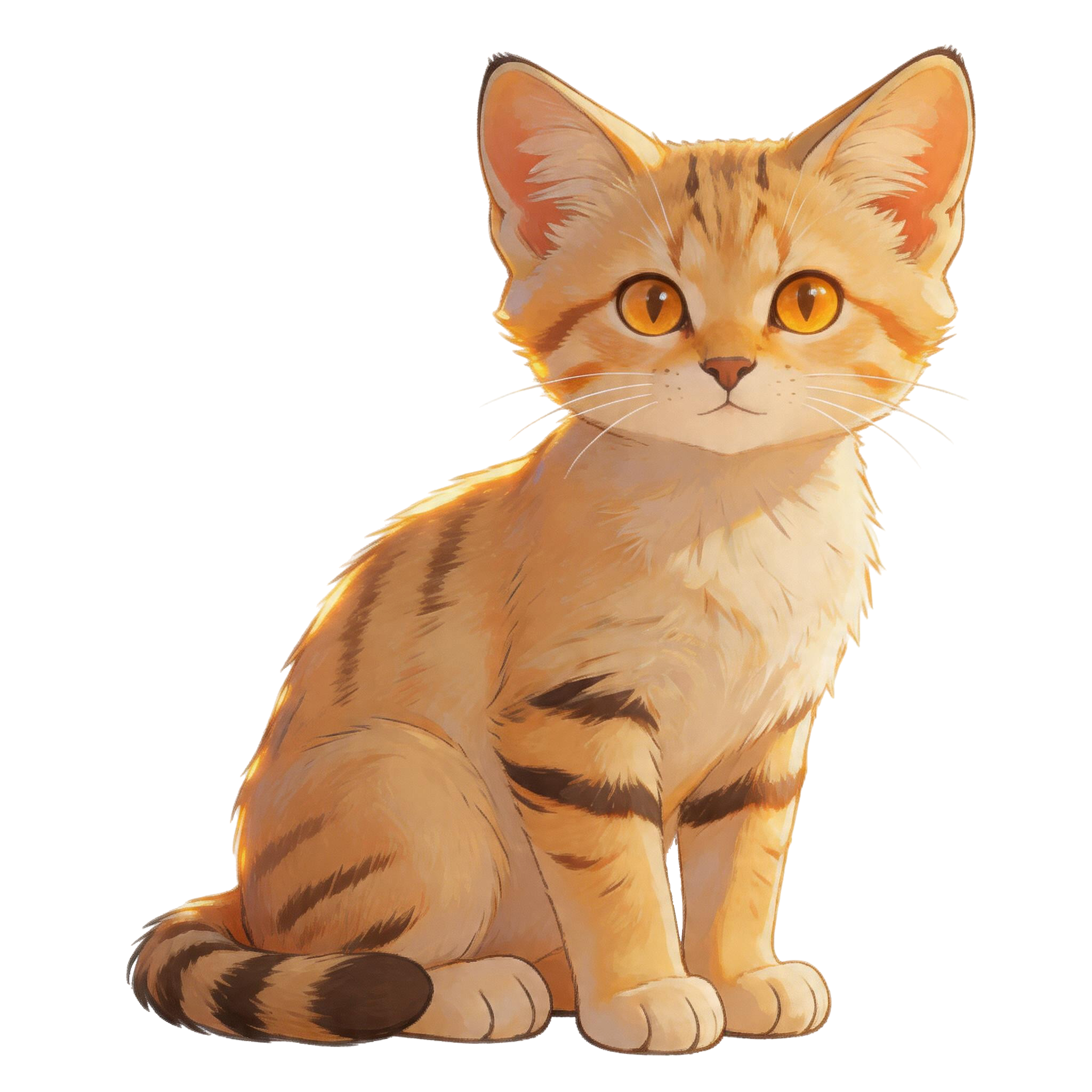
Felis margarita — Sahara, Arabian & Central Asian Desert
The Sand Cat is the smallest wild cat on Earth — and it never drinks water. It gets all the moisture it needs from its prey. Its wide, padded paws protect it from sand that can reach 70°C. Small, silent, perfectly adapted. One hundred glasses in — so are you.
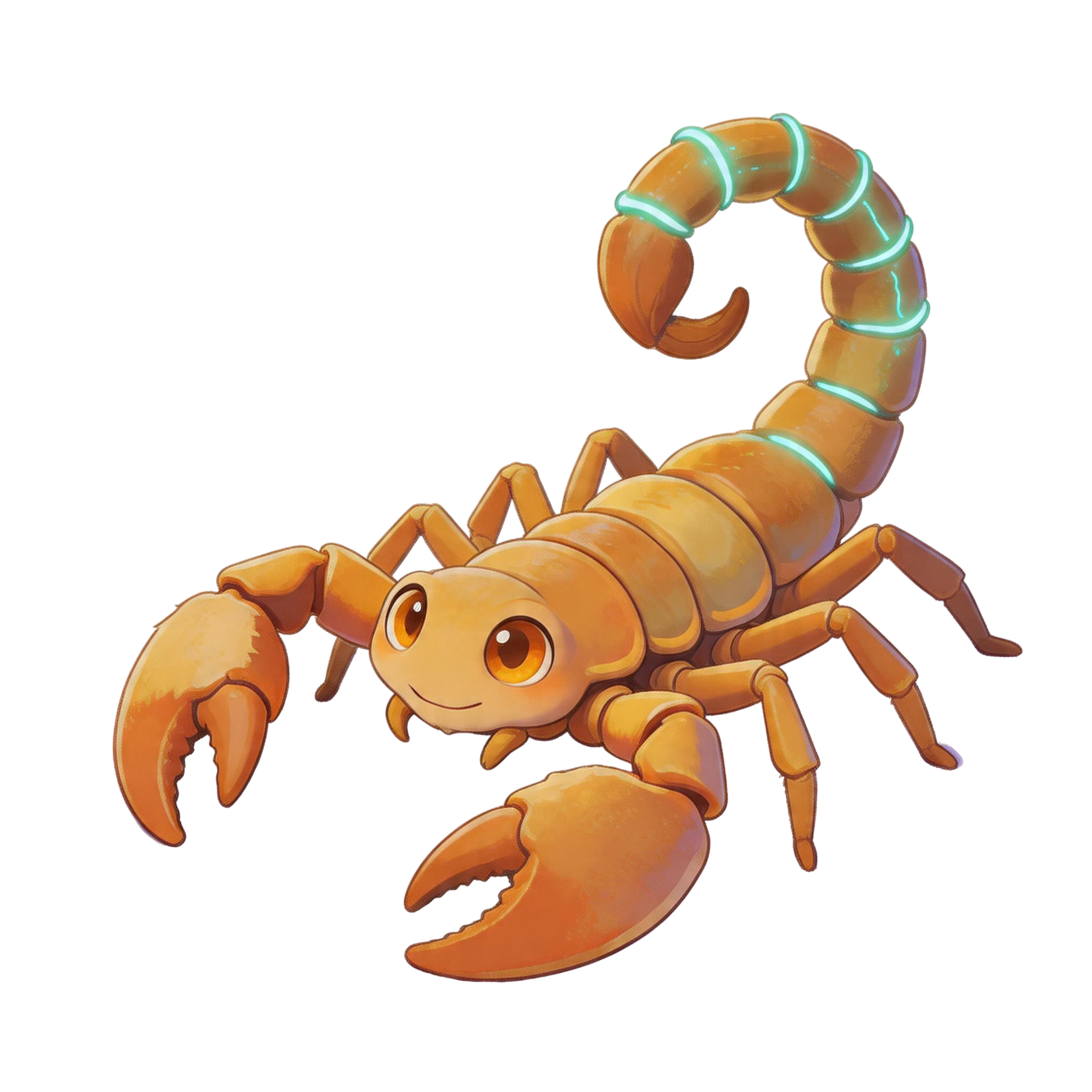
Androctonus australis — Sahara & Arabian Desert
The desert scorpion has survived 435 million years, outlasting the dinosaurs. Its exoskeleton glows blue-green under ultraviolet light — scientists still don't fully know why. It can slow its metabolism to survive a full year without food. From now on, he will greet you from his favorite rock.
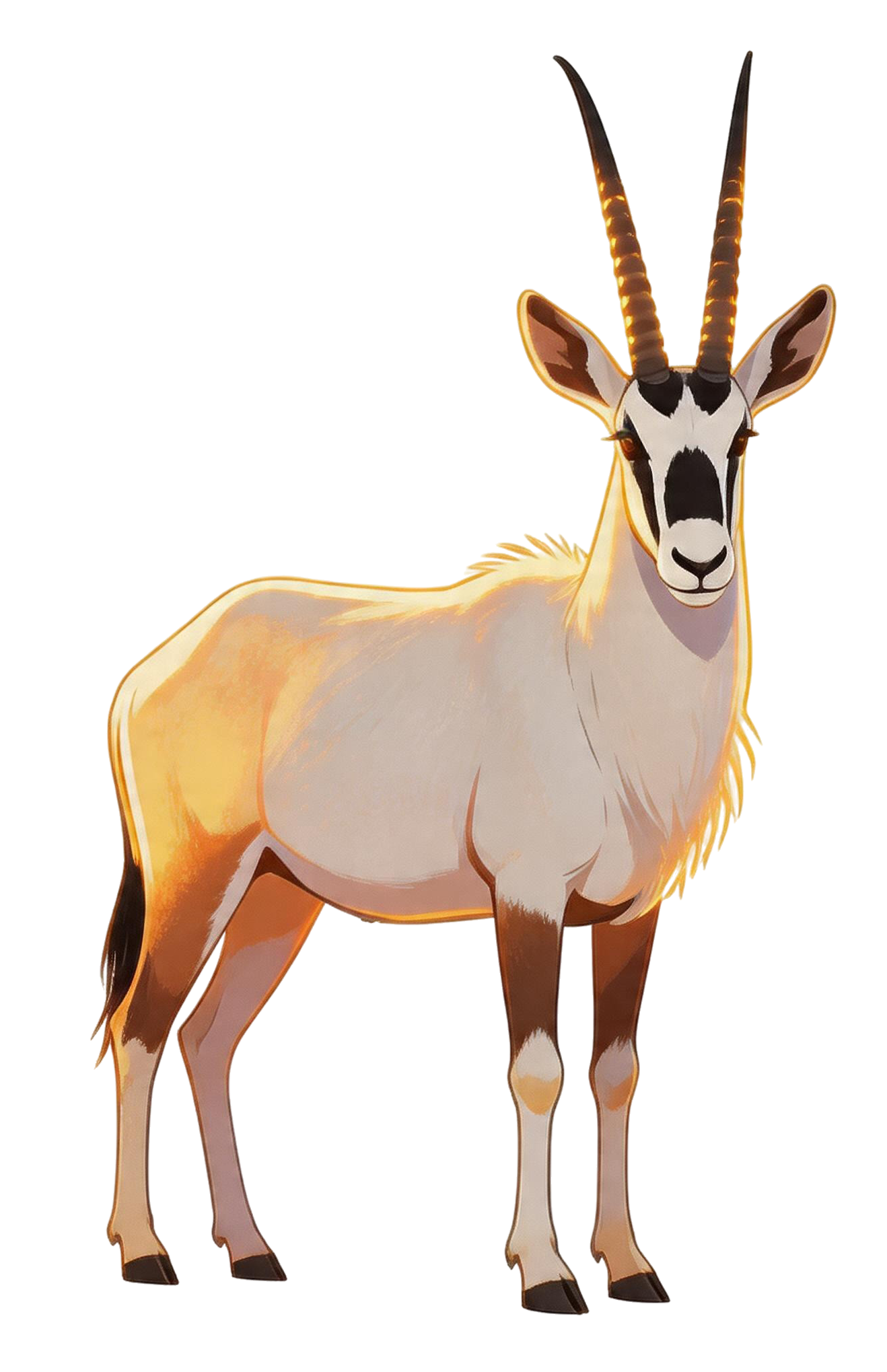
Oryx leucoryx — Arabian Peninsula
The Arabian Oryx was declared extinct in the wild in 1972 — just 8 individuals survived in captivity. Through careful conservation, it was brought back and became the first animal ever to recover from wild extinction. Some believe its profile inspired the unicorn legend. Thirty days. You know something about persistence too.

Aquila chrysaetos — desert mountains & open country
With vision sharp enough to spot prey from far above, the Golden Eagle patrols wide desert skies on powerful wings. Your extra water reserve has made your garden sturdy enough to attract a true aerial guardian.